Walkway Installation in New Hampshire: Walkways That Stay Safe All Year With Smart Layout, Pitch, and Winter Traction
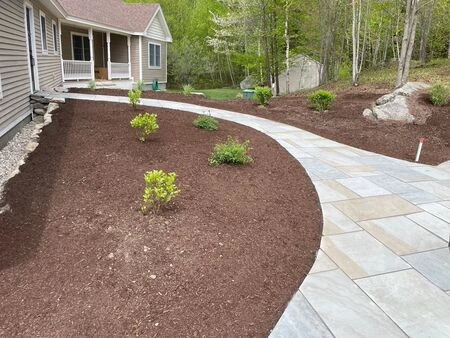
New Hampshire winters are beautiful, but they are hard on paths. Smart walkway installation balances layout, pitch, and materials so the surface looks great and stays safe through snow, melt, and summer storms. Here is how JCB Designscapes plans each step for year-round traction across towns like Sunapee, New London, Concord, and beyond.
Why Walkway Installation in New Hampshire Needs Special Planning
Our climate sees freeze, thaw, and heavy rain. Shaded north-facing entries hold ice longer. Lake effect around Sunapee adds moisture. That mix demands a walkway design that moves water fast, grips underfoot, and resists frost heave. We build each path to work in January and July, not just the day it is installed.
Layout That Guides Feet and Water
Good layouts prevent shortcuts over lawn, guide guests to the door, and handle plow piles and roof runoff. Curves should be gentle so shoveling is easy. Straight runs should avoid low spots and drip lines. Wider sections near steps and driveways reduce jostling when you carry groceries or a snow shovel.
Entry, Garage, and Mailbox Zones
The busiest areas also see the most ice. We plan clear sightlines, add landings where grade changes, and place paths where snow storage will not blow back onto the surface. When a home sits on a slope, we align the route to limit cross traffic of water across the walk.
The Right Pitch and Slope for Safer Walks
Water should never sit on a walkway. Pros aim for a subtle pitch that you do not notice while walking, but that moves water off the surface. Cross slope and directional fall are set so meltwater runs away from the house and off the path, not along it. Where a roof edge dumps water nearby, we guide flow to a safe outlet before it can glaze the walk overnight.
Transitions That Feel Natural
Steep, sudden changes are risky in winter. Landings at doors and step tops give your boot a flat, secure moment before the next move. We also plan the meeting point with the driveway so plow blades do not catch edges.
Materials and Finishes That Add Traction
Texture is your friend when it is icy. Dense natural stone with a thermal or bush-hammered finish and premium concrete pavers with micro-texture both grip well without feeling rough in summer. Jointing materials and edge restraint lock the field tight so individual units do not wobble after a tough season.
- Concrete pavers: choose profiles with surface texture and chamfered edges for snow shovel glide and boot grip.
- Natural stone: granite treads and flamed bluestone offer reliable traction and classic New England style.
If you want to compare options for patterns, borders, and color blends, this overview of top hardscaping features is a helpful starting point. For homeowners set on a paver field with a dressier finish, pairing the surface with a firm base and tight edge restraint is key. You can also review material choices with our team on the paver installation page.
Jointing, Edges, and Drainage That Stand Up to Freeze and Thaw
Winter stress starts underneath. A stable, well-draining base reduces heave and keeps joints tight. We use washed aggregates sized for local soils, verify compaction, and set edge restraints so the field cannot creep. At entries, we pay special attention to where water will go when gutters overflow or plow banks melt in March.
Where Ice Comes From
Most ice forms when daytime melt runs across a cold surface and refreezes after sunset. We cut that risk by creating small, reliable escape routes. Near steps, shallow swales and trench inlets can catch water before it reaches the landing. Along a foundation, the path’s fall directs flow away from siding so melt does not set up into a slick sheet.
Winter Traction Strategy Without Damaging Your Walkway
Traction is a plan, not a single product. We design the surface to grip first, then suggest a simple routine that keeps the path clear without harming the materials. Use deicers labeled safe for concrete and pavers and apply them sparingly. Rinse or sweep residues when the weather breaks.
- Keep piles off the path. Store shoveled snow where it will not melt back across the walk in the afternoon.
- Use sand or fine grit for immediate bite in the coldest snaps.
- Avoid sharp tools on edges. Plastic shovels and rubber blade guards protect paver borders and stone treads.
- Watch the first thaw. The first warm-up after a storm often makes the slickest evening. Extra grit then pays off.
Design Details for Ice-Prone Walkways and Entry Steps
Some spots always try to freeze: under long eaves, in tree shade, or where two slopes meet. We give these areas more texture, tweak the pitch a little, and sometimes widen the path to make room for safe foot placement. On hillsides common around the Dartmouth–Lake Sunapee Region, stepped walks with landings control speed and keep footing secure.
Lighting and Handholds
Low, warm path lighting helps you see thin ice at dawn and dusk. Railings at long stair runs add confidence when you have a bag in one hand and a glove in the other. Both features work year-round and make winter walks feel a lot safer.
When to Consider Heated or Snow-Melt Options
Heated paths are not only for ski lodges. Electric mats and hydronic tubing are options in select locations like short landings or steep transitions. We design the base and control placement so the surface heats evenly. It is one more tool for entries that stay shaded or for homes with frequent deliveries.
How JCB Designscapes Plans and Builds for Year-Round Safety
Every site is different. A Portsmouth bungalow might need extra texture near a windy corner. A Hanover cape may need stronger drainage near a roof valley. Our team studies water paths, checks where shade lingers, and matches surface finish to your everyday use. If you want a refresher on the core elements we install, our walkway installation page shows how designs, borders, and materials come together for New Hampshire homes.
Putting It All Together: A Simple Checklist We Use
Here is the flow we follow so your path stays safe in January and looks sharp in July:
- Map water sources: roof edges, slopes, driveway crowns, and snow storage.
- Choose route and width for shoveling, strollers, and deliveries.
- Set pitch and cross slope to move water off the surface and away from the house.
- Select textured surfaces and compatible jointing for traction and tight seams.
- Stabilize edges and plan drainage features at known ice points.
- Dial in lighting and railings where visibility or footing need a boost.
For photos and a broader look at our approach to outdoor living, you can browse recent work and services starting from New Hampshire walkway installation on our home base. That will point you to projects across the region and help you picture finishes that match your home.
Real-World Examples Across New Hampshire
In Sunapee and New London, many front walks see late-day shade from tall pines. We compensate with a slightly grippier finish and clear fall to the sunny side. In Concord and Manchester, sidewalks meet busy driveways, so we plan transitions that will not catch a snowblower shoe. Along the Seacoast, salt spray can mix with melt, so we recommend paver blends and jointing that rinse clean in spring.
Pro tip: plan the walkway with where you actually place snow. A wider landing by the steps or a gentle curve near the garage can save time and help you avoid re-icing from piles that melt back onto the path.
Ready to Plan Your New Walkway?
If safe footing and clean lines are on your list this year, let JCB Designscapes design a path that works in every season. Call us at 603-763-4949 or schedule your project today. You can also explore styles and materials for your home on our page for custom walkways to get ideas before we visit.