How to Tell Whether Your Yard Needs Grading or a French Drain in Hanover, NH
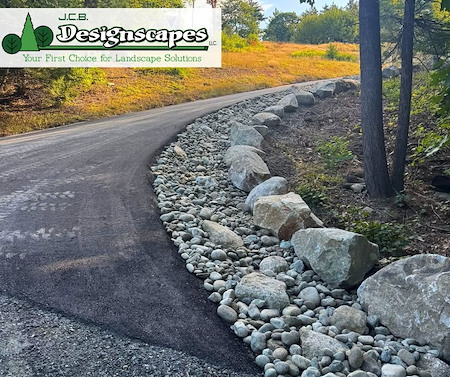
After a heavy rain or spring melt, does your lawn stay soggy, form puddles, or push water toward your foundation? If so, you likely need targeted drainage solutions. In Hanover, NH, the right fix is usually either regrading the surface or installing a French drain. This guide explains how pros tell the difference so your yard dries out and your home stays protected.
What “Yard Drainage Solutions” Really Means
Drainage is about controlling where water goes and how fast it moves. Grading solves surface water problems by reshaping the soil so water flows to a safe outlet. A French drain addresses subsurface water that keeps seeping into a low spot or along a foundation. The right choice depends on water source, soil, slope, and a reliable place to discharge.
Clear Signs Your Yard Needs Professional Attention
- Persistent puddles 24 to 48 hours after a storm
- Water tracking toward your basement, garage, or slab
- Soft, spongy turf and thin grass in the same areas every season
- Mulch washing out of beds or silt collecting on walks and drives
- Ice sheets forming near entries in late fall and early spring
If you see these clues, a pro assessment can prevent larger issues like heaving patios, frost damage, and root decline.
Grading vs. French Drain: What Each One Solves
When Grading Is the Right Call in Hanover, NH
Regrading reshapes the top few inches of soil to create steady, gentle pitch away from your home and across the lawn. It is the go-to fix when water is clearly coming from the surface, like roof runoff dumping into a low lawn, or when a flat yard traps water after “mud season.” Grading also pairs well with shallow swales that move water along the property line to a daylight point or a landscaped feature.
When your plan includes fresh plantings or lawn renovation, routing water with grade first helps them thrive. If you are refreshing beds or adding lighting and plantings, it often fits naturally with landscaping updates.
When a French Drain Outperforms Grading
A French drain is best when water is coming up through the soil or constantly reappearing in the same depression, even after you adjust the slope. It works well at the base of a hill, near down-gradient property edges, or along the inside of a curve where groundwater collects. It can also protect the toe of a wall or the backside of a patio by intercepting seepage before it reaches the structure.
When you are stabilizing slopes or building walls and walkways, consider how drainage ties into the design so everything lasts. Coordination with retaining walls and walkways keeps pressure off the hardscape and prevents winter frost from lifting edges.
Local tip: Hanover’s freeze–thaw swings can turn shallow puddles into ice sheets overnight. Plan drainage so water leaves walks and drives before dusk during shoulder seasons. Also confirm you have a legal, safe outlet on your own property before any work begins.
How Pros Diagnose the Problem
Every yard has its own water story. A trained eye looks for source, path, and outlet. Here is how a typical evaluation unfolds in the Upper Valley:
- Site walk right after rain or during spring melt to see where water enters, pools, and exits
- Check existing slope with a level or laser to confirm fall away from the house
- Probe soil for compaction and infiltration limits from construction fill or heavy traffic
- Verify a discharge point that does not cause erosion or impact neighbors
From there, a custom plan may combine subtle regrading with a shallow swale, or a properly constructed French drain that daylights to a safe, visible outlet. If you want a quick overview of the options, this page on drainage solutions breaks down how JCB Designscapes designs systems that fit your property.
Simple Decision Guide: Grading or French Drain?
Use this quick guide to understand what a professional may recommend:
If you see water flowing on top and settling in flat spots, grading typically comes first. Adjusting pitch and adding a contoured swale usually restores healthy flow. Consider decorative creek beds to make the path attractive and stable.
If the same area stays wet even with good slope, a French drain may be needed to collect groundwater below the surface. The drain moves water in a controlled pipe run to a daylight point or a landscaped feature built to receive it.
If hardscapes keep shifting or icing over, you may need both. Grading reduces sheet flow across patios and walks, while a French drain relieves pressure underneath so frost has less to grab.
Seasonality Matters in Hanover, NH
Timing helps the system perform and protects your yard. Late spring through early fall is often ideal for grading and French drain work because the soil is workable and plant recovery is quick. Many Hanover homeowners also plan upgrades after leaf drop but before the deeper freezes. Winter work is possible for certain hardscape tie-ins, but frozen soils limit fine grading.
Think ahead to common Upper Valley weather patterns. Spring melt and heavy summer storms stress low spots. Autumn rains test discharge paths choked by leaves. Designing for these moments keeps your yard safe and usable in every season.
Designing a Clean, Safe Outlet
No drainage fix works without a good exit. Water must end up somewhere stable. That might be a daylight outlet to lawn with a stone splash pad, a landscaped swale, or a feature like a dry creek bed that blends function and beauty. Never let a system discharge onto the street or a neighbor’s yard. A visible, serviceable outlet also makes maintenance simple after big storms.
When you want a broader look at how drainage ties into an overall landscape plan, see how our team approaches complete landscaping projects so plants, grading, and lighting all support each other.
Blending Drainage With the Look You Want
Good drainage should disappear into your yard. Creek beds lined with native stone can carry flow during storms and read as a garden feature the rest of the time. Swales can be shallow, gently planted, and easy to mow. Along walks and patios, edge treatments and base preparation keep water from settling where frost can lift materials. If your plan includes walls or steps, smart tie-ins with hardscaping protect the structure for years.
For homeowners who want a single starting point, explore yard drainage solutions in Hanover, NH and learn how JCB Designscapes brings grading and French drains together with plantings and stonework.
Common Mistakes to Avoid
Do not assume a French drain fixes a bad slope. If the surface still sends water toward your home, correct the grade first. Otherwise the drain will be overworked and less effective.
Do not bury the outlet. Every system needs a visible exit you can inspect after storms. Hidden ends clog, freeze, and fail when you need them most.
Do not ignore roof runoff. Gutters and downspouts must move water away from foundations and plant beds before it reaches lawn areas you are trying to dry out.
Ready for a Drier, Safer Yard?
If you are seeing puddles, soggy turf, or water creeping toward your foundation, start with a professional assessment. The team at JCB Designscapes designs grading plans and French drains that match Hanover soils and seasons. Learn how we approach drainage solutions that protect your home and make your landscape easier to enjoy. To talk with a specialist, call 603-763-4949 today.