Driveway Upgrades in Sunapee, NH: Pavers vs. Gravel vs. Asphalt for Freeze-Thaw
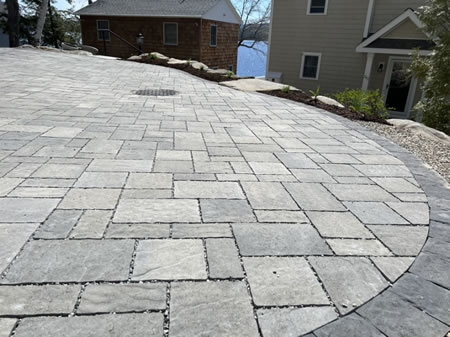
If winter has left your driveway cracked, rutted, or uneven, you are not alone in Sunapee. The freeze-thaw cycle and frost heave are tough on every surface. This guide compares pavers, gravel, and asphalt so you can choose the best fit for your home, your plowing routine, and our local soils. When you are ready to explore options, see our driveway installation and replacement overview for details on materials and methods that hold up in New Hampshire weather.
Why Freeze-Thaw Beats Up Driveways In Sunapee
In winter, moisture in the ground freezes and expands. In spring, it thaws and contracts. That push-pull lifts and settles sections of a driveway. Water also seeps into surface cracks, freezes, and forces them wider. Over time, you see bumps, dips, and widening seams that let more water in.
Our area sees repeated swings around 32°F, heavy snow storage from plowing, and spring runoff from hills around Lake Sunapee and Mount Sunapee. Those conditions increase water movement through the driveway base and make drainage design just as important as the surface you choose.
Frost Heave Basics
Frost heave happens when water under the driveway turns to ice lenses and grows upward. Weak or saturated subsoil and a thin base make heave worse. The goal is to move water away and create a dense, well-drained foundation so freezing cannot grab hold.
Why Base Depth And Drainage Matter
A stable base spreads weight and resists movement. In our climate, deeper, well-compacted gravel layers and clean stone that drains are key. Edge restraints, correct pitch, and clear outlets for meltwater reduce standing water and lower the risk of heave. Never skip drainage planning. It is the number one way to protect your driveway lifespan.
Local insight: Snow plows can scuff paver edges and move top gravel during late-season storms when the base is soft. Ask for protective edging and set your plow blade height slightly higher after thaws. This small adjustment keeps the surface looking clean through mud season.
Paver Driveways: Flexible Strength For New Hampshire Winters
Interlocking concrete pavers are a strong choice against frost heave because the system is flexible. Individual units sit on a compacted base with bedding sand, and joints are filled with sand. When the ground moves, the surface can flex slightly without cracking like a slab.
Pros: great curb appeal, easy spot repairs, excellent traction in icy weather, and strong load capacity when installed on a deep, compacted base. Cons: requires proper edging and joint stabilization to limit sand loss during plowing and spring runoff. Occasional joint refilling and sealing may be recommended depending on traffic and de-icer use.
Homeowners in neighborhoods near Lake Avenue or Garnet Hill like pavers for the refined look and the ability to replace a single stained or chipped unit. With the right base and drainage, paver systems can perform for decades in our climate.
If you like the look of stone walls, steps, and outdoor living features, pavers also blend well with other hardscaping elements on your property.
Asphalt Driveways: Smooth, Plow-Friendly, And Familiar
Asphalt remains popular for its clean look, smooth ride, and plow-friendly surface. It can be installed relatively quickly and handles snow shovels and snow blowers well. Dark color warms in the sun, which helps with melt rates on clear winter days.
Asphalt is a single continuous surface, so it is more likely to crack if the base moves. Sealcoating, crack filling, and careful drainage design help slow that process. Avoid letting downspouts dump onto the driveway. Direct water away so it does not seep through edges and joints. Small cracks should be addressed early to limit water penetration during freeze-thaw.
For sloped driveways above the lake or near wooded lots, traction during shoulder seasons is a common concern. A quality mix, proper compaction, and correct pitch toward safe drainage points all improve year-round performance without resorting to heavy abrasives that can migrate into lawns or beds.
Gravel Driveways: Rustic Look With Ongoing Care
Gravel works well for long, rural drives where a natural look and easy access for service vehicles matter. Because it is not a slab, gravel does not crack. It does move. Plowing can push material, and spring thaw can create ruts until the base firms up again. Regrading and periodic top-dressing keep the surface smooth.
Pros: flexible surface, easy to repair, and forgiving on irregular subsoil. Cons: tracking, dust in dry spells, and stone migration into lawn edges. Choosing the right gradation and using a compacted base layer help lock the surface. A geotextile separator can reduce mixing with subsoil in problem areas.
Homes off Stagecoach Road or along steeper private drives may prefer gravel for access and maintenance flexibility. Plan for seasonal touch-ups and attention to ditch lines so runoff does not carve channels through your entry.
Side-By-Side Considerations For Sunapee Freeze-Thaw
- Frost heave resistance: pavers are flexible and handle movement well. Asphalt relies on base stability. Gravel moves but does not crack.
- Snow removal: asphalt and pavers plow smoothly. Gravel needs careful blade height and spring regrading.
- Drainage needs: all materials require a well-draining base. Pavers often include edge restraints and stabilized joints.
- De-icers and sand: avoid harsh chemicals on pavers and asphalt. Moderate sand helps traction but should be swept up in spring.
- Driveway lifespan: good base prep and maintenance matter more than the material alone. Address water first to extend service life.
Local Factors That Influence Your Choice
Soils around Sunapee often include compacted fills, glacial till, and pockets of clay that hold water. A site that stays shaded near evergreens will thaw slower and may stay soft longer in spring. That affects base depth and material selection. Steeper slopes leading down to the lake need careful capture and redirection of runoff to protect the driveway and nearby landscapes.
Consider the way you store snow. Piling heavy banks on the same edge each winter can push and saturate the shoulder. Rotating snow storage areas protects edges and helps prevent settlement. If you host frequent deliveries or trailers, note turning radii and load points. Pavers excel where tight turns wear surfaces. Asphalt handles straight, moderate-traffic drives well. Gravel accommodates large vehicles with regular grading.
Signs You May Need A Driveway Upgrade
- Recurring frost heave humps or sinking patches after every spring thaw
- Spreading cracks, potholes, or ruts that keep returning
- Standing water that lingers along edges or at the garage apron
- Plow damage that gets harder to patch each year
- Drainage washing out shoulder material or staining the surface
Addressing these early helps protect your garage slab, walkways, and nearby planting beds. If drainage around the driveway needs grading or planting solutions, our landscaping team can coordinate plant-safe swales and edges that look great while moving water the right way.
Our Process For Driveway Installation In Sunapee
We start with a site visit to review access, sun exposure, snow storage, and water paths. Subsoil conditions guide base depth recommendations. We mark utilities, plan edges, and identify safe outlets for runoff. Then we set elevations to reduce water against foundations and to smooth transitions at the road or garage.
Next comes excavation and base building. Material is added and compacted in controlled lifts for density. For pavers, we install edge restraints and a leveling layer before placing the surface and stabilizing joints. For asphalt, we fine-grade the base, compact, and pave in the proper weather window. For gravel, we shape the crown and shoulders to shed water and lock the surface.
Finish work includes cleanup and guidance on first-season care. We advise on plow blade settings, where to store snow, and how to watch for early signs of water pooling. Good habits in the first winter can add years to your driveway lifespan.
Which Material Is Right For You?
Choose pavers if you want top curb appeal, strong freeze-thaw performance, and easy spot repairs. Choose asphalt if you prefer a smooth, plow-ready surface with simple upkeep routines. Choose gravel if you value flexibility on long drives and do not mind seasonal grooming. If you are on a lakeside lot or a shaded hollow, lean toward materials and base designs that emphasize drainage above all else.
Not sure? Walk through options with the local team at JCB Designscapes. We can compare textures, edging, and base strategies on site, then tailor a plan for your soil, slope, and snow pattern. Learn more about surface choices and foundations that fight frost heave on our page about driveway upgrades and installation for Sunapee homeowners.
Real-World Examples Around Sunapee
We often see pavers succeed on short, gently sloped drives near the lake where looks matter and plows need a crisp edge. Asphalt does well on mid-length suburban drives with clear sun exposure that helps melt. Gravel shines on shared private roads and longer entries set back from the main routes, especially when ditch lines and crowns are maintained after spring thaw.
Think about how your family uses the space. Tight turns from a garage, frequent backing of trailers, or parking an extra vehicle on the shoulder all push the surface in different ways. Matching the material to those patterns reduces wear. If you are consolidating walkways, steps, or a patio with the driveway, blending materials through coordinated hardscaping design can pull the whole entry together.
Care Tips To Protect Your Investment
Simple habits make a big difference in our climate. Keep edges supported so water cannot sneak under the surface. Sweep up sand each spring to keep joints and drains clear. Reroute downspouts that dump onto the drive. For pavers, consider joint stabilization to reduce washout. For asphalt, address small cracks before winter so water stays out. For gravel, plan a light regrade after mud season.
When you search for driveway upgrades in Sunapee, NH, look for a team that understands freeze-thaw patterns, plowing practices, and base construction. A thoughtful design up front pays back every winter.
Ready To Upgrade Your Driveway?
Get a site visit from JCB Designscapes to review your goals and select the right surface for frost heave control and long-term performance. Call us at 603-763-4949 to schedule. If you want to see how we install and rebuild drives for our climate, start here: driveway installation for Sunapee homeowners. We are ready to help you build a driveway that stays smooth, drains well, and looks great through every freeze-thaw season.